September 20th, 2019 at 10:50 am
Connected to your needs': GF Machining Solutions' AgieCharmilles CUT 2000 X links accuracy and productivity to drive users' application success
Sep 20, 2019 2:00 PM
Excellent results, flexibility and efficiency, and process Automation are at the heart of GF Machining Solutions' AgieCharmilles CUT 2000 X wire-cutting Electrical Discharge Machining (EDM) machine. Featuring the GF Division's new, game-changing Spark Track technology and a vast range of additional technologies, this solution links accuracy and productivity to drive users' application success in the most demanding industries.
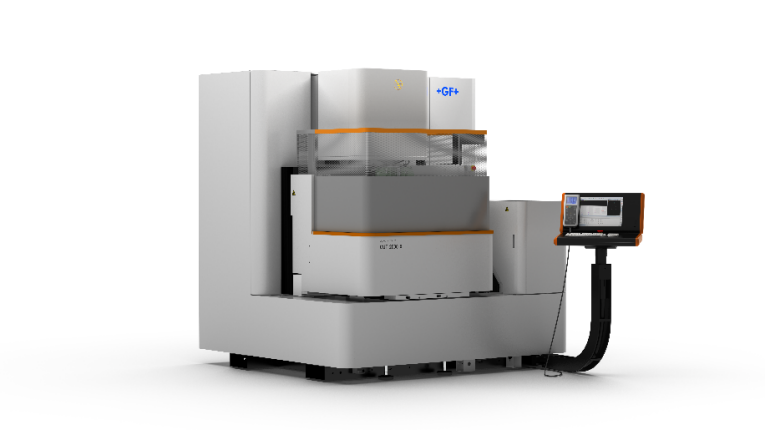
The CUT 2000 X with Automatic Wire Changer (AWC), SparkTrack technology and Integrated Vision Unit (IVU Advance) in-process optical measurement takes to the world stage in Hall 27, Stand B26, at EMO Hannover 2019, September 16–21, in Hannover, Germany. Clearly demonstrating GF Machining Solutions' EMO theme, “Connected to your needs,” this solution and its onboard technologies push the limits of wire-cutting EDM to deliver:
• Excellence in results: Users achieve uncompromising quality of results in accuracy and surface finish for highest part quality and optimal productivity.
• Flexibility and efficiency: This ultra-flexible machine and human-machine interface (HMI) concept simplify and allow process flexibility to reduce delivery time and increase reactivity.
• Process Automation: Automation of the wire EDM process and integration of quality control bring complete and integrated solutions to users' manufacturing challenges.
Easy job, easy management
With the capabilities delivered by the CUT 2000 X's Vision 5 interface, it's easy for manufacturers to optimize their production, achieve flexible job management at guaranteed quality, and benefit from special functions to improve quality and productivity.
The Vision 5 interface takes the effort out of making last-minute machining sequence modifications—and special actions can be introduced directly inside the job to ramp up quality and productivity.
AWC: high productivity, lower costs
Users can gain up to 32% greater productivity with the acclaimed AWC. That's because open guides allow them to use a combination of different wire diameters between roughing and finishing, so machining time for small and complex geometries is reduced.
Users' flexibility is significantly increased by the availability of two wire spools on one machine, too. Two 25 kg wire spools are available to eliminate the need to modify the wire circuit when switching wires.
Additionally, the AWC system allows users to machine small details, even on tall parts, by using a large wire diameter for roughing and a small diameter wire during finishing cuts.
Spark Track: a wire EDM technology breakthrough
GF Machining Solutions' new Spark Track technology represents a breakthrough in wire EDM. With its state-of-the-art Intelligent Spark Protection System (ISPS), Spark Track technology puts wire EDM intelligence at manufacturers' fingertips. The more spark distribution information available on the wire, the more users can push the limits of the EDM machining process.
The smartest system on the market, Spark Track's ISPS module allows users to completely avoid wire breakage—regardless of machining conditions. Manufacturers benefit from a secure EDM process due to complete wire breakage protection; simplification of the machine operator's life thanks to a user-friendly solution: optimized efficiency in any conditions; and a revolution in wire EDM results, thanks to the use of spark distribution data from Spark Track technology.
Spark Track solves problems—like wire oscillation, different heights and tapered surfaces—which can lead to wire breakage and machining defects in the workpiece. To achieve superior results, discharge distribution along the wire must be as uniform as possible. That's where Spark Track and ISPS prove their value: Users profit from improved efficiency, a 100% automatic solution and experience absolutely zero wire breakage.
IVU Advance: Get the best quality
Users save setup time, take references without a measuring machine and correct machining errors to achieve best quality and increased productivity with IVU Advance. Perfect results are easy to achieve and the need for an operator's presence is reduced, thanks to a charge-coupled-device (CCD) camera mounted on the machine.
The analysis of light intensity variation allows detection of edges, and users save costs with this onboard measurement system allowing closed-loop manufacturing.
At the same time, multiple measurement systems are available for part control and setup, and automatic shutter and part cleaning solutions are also available. Users gain greater autonomy over their results with the integration of Automation-compatible, total measurement control.
Additionally, EMO Hannover 2019 visitors will discover the CUT 2000 X with updated colors enhancing its visual appearance under the brand of GF Machining Solutions, a Division of GF. With this vast range of success-triggering capabilities and technologies, the CUT 2000 X proves GF Machining Solutions' customer-centric orientation and its EMO theme: “Connected to your needs.”
Hall 27, Stand B26 at EMO Hannover 2019 is the place to discover how GF Machining Solutions' renowned CUT 2000 X—equipped with breakthroughs like Spark Track technology and the Integrated Vision Unit (IVU Advance), as well as an Automatic Wire Changer—link accuracy and productivity in wire Electrical Discharge Machining (EDM).
Source: https://www.gfms.com/country_US/en/about-gf-machining-solutions/press-room/press-releases/2019/agiecharmilles-cut-2000-x.html?utm_campaign=2480125_Copy%20of%20US_MB_Dealer_Debrief_092319&utm_medium=email&utm_source=GF%20Machining%20Solutions%20Management%20SA&Country=&dm_i=2FB0,1H5OD,7EZO6P,4Y55Q,1
|
September 18th, 2019 at 9:48 am
New AgieCharmilles CUT AM 500 EDM Speeds Up Additive Part Separation While Preserving Part Integrity
Press Release Summary:
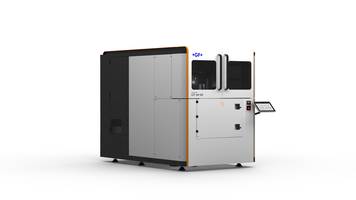
- Can accommodate parts up to 510 x 510 x 510 mm and up to 500 kg in weight is ideal for aerospace and medical industries
- Uses 0.2 mm diameter wire to separate additively manufactured parts from build platform at a maximum cutting speed of 300 mm2/m
- Delivers ±0.1 mm accuracy with surface roughness of less than 6 µm and can blends horizontal wire orientation, a rotary axis and an integrated basket to catch separated parts
LINCOLNSHIRE, Ill., September 17, 2019 – GF Machining Solutions recently announced the AgieCharmilles CUT AM 500, a new horizontal wire EDM designed to complement metal additive manufacturing (AM). The AgieCharmilles CUT AM 500 makes it easier than ever to quickly separate additively manufactured metal parts from the build plate while maintaining geometrical accuracy and ensuring assembly readiness. The machine made its debut at EMO 2019 in Hannover, Germany at Hall 27, Stand B26.
Fueled by more than 65 years of EDM expertise, the universal AgieCharmilles CUT AM 500 is a fast, precise, affordable and automation-ready alternative to the use of standard EDM equipment or a band saw to separate additively manufactured parts from build plates. In addition to improving overall efficiency, the CUT AM 500 also resolves a number of quality barriers encountered by manufacturers created by the use of band saws, including but not limited to geometric inaccuracy, loss of workpiece material (kerf) and damage to the part. Ideal for risk-averse industries, such as aerospace and medical technology, the CUT AM 500 maintains the integrity of the part by avoiding part contamination and damage.
A complementary technology, the CUT AM 500 works seamlessly alongside other GF Machining Solutions' and 3D Systems' scalable, workflow-optimized solutions such as the DMP Factory 500, DMP Flex 350 and DMP Factory 350.
A robust process
Accommodating parts up to 510 x 510 x 510 mm (including the base plate) and up to 500 kg in weight, the CUT AM 500 uses 0.2 mm diameter wire to separate additively manufactured parts from the build platform at a maximum cutting speed of 300 mm2/m. It delivers ±0.1 mm accuracy and surface roughness of less than 6 µm. The CUT AM 500 blends a horizontal wire orientation, a rotary axis and an integrated basket to catch separated parts. This combination creates a robust process, which supports the part, allows for easy part handling, prevents part damage and offers full automation readiness.
Fast separation process, low running costs
The CUT AM 500's rapid wire technology, together with the machine's generator, ensures the fastest EDM process – at least three times faster than standard EDM – and the most reliable separation of additively manufactured parts with specific support structures. Low running costs are enabled by the machine's fast wire technology and double wire spool concept.
Automation ready
The layout of the CUT AM 500 is designed to accommodate the integration of a clamping system for easier clamping and referencing. As additive manufacturing evolves into mass production, automated AM processes will be needed. System 3R, a GF Machining Solutions brand, specializes in tooling, automation and software and offers in-house expertise and technology to drive manufacturers' future success in AM.
About GF Machining Solutions
GF Machining Solutions is the world's leading provider of machine tools, diverse technical solutions and services to manufacturers of precision molds and tooling and of tight-tolerance, precision-machined components. The key segments we serve include the aerospace, automotive, medical, energy, information and communications technology (ICT) and electronics industries. Our extensive portfolio ranges from Electrical Discharge Machining (EDM) solutions, three- and five-axis Milling machines and Spindles, Laser texturing machines, Additive Manufacturing and machines for Laser micromachining to solutions for Tooling, Automation, Software and Digitalization—all backed by unrivaled Customer Services and support. GF Machining Solutions is a globally acting Division of the Georg Fischer Group (Switzerland) and maintains a presence at 50 locations worldwide. Its 3,394 employees generated sales of CHF 1,066 million in 2018. More information can be found at www.gfms.com.
SOURCE:
https://news.thomasnet.com/fullstory/new-cut-am-500-wire-edm-machines-comes-with-rapid-wire-technology-40029333
|
September 12th, 2019 at 9:35 am
Automatic EDM slug management systems yield unmanned, lights-out operations, shorten cycle times and allow roughing and finishing operations with zero operator intervention.

A major hurdle mold builders face when it comes to configuring wire EDMs for completely unmanned continuous operations is slug removal. Even as machine tool manufacturers transform metal-cutting applications with state-of-the-art automation solutions, operators of wire EDMs must deal with slugs the old-fashioned way. Despite decades of effort, stopping the machine and manually removing slugs has remained the overriding norm.
Slugs will fall onto the lower head of a wire EDM and can cause a fatal crash or trigger work-stopping crash protection routines when left to their own devices. CAM programs can prevent this by including tabs (only 0.100-inch thick) that keep the slug connected to the workpiece during cutting. Once the software completes that step, the operator then cuts these tabs off and removes the slug by hand.
On average, this task adds an extra five to six minutes per tab to every EDM cycle and prevents unmanned operation. At best, shops will program EDMs to rough cut parts unmanned and overnight. The next day operators remove the slugs and run the finishing passes.
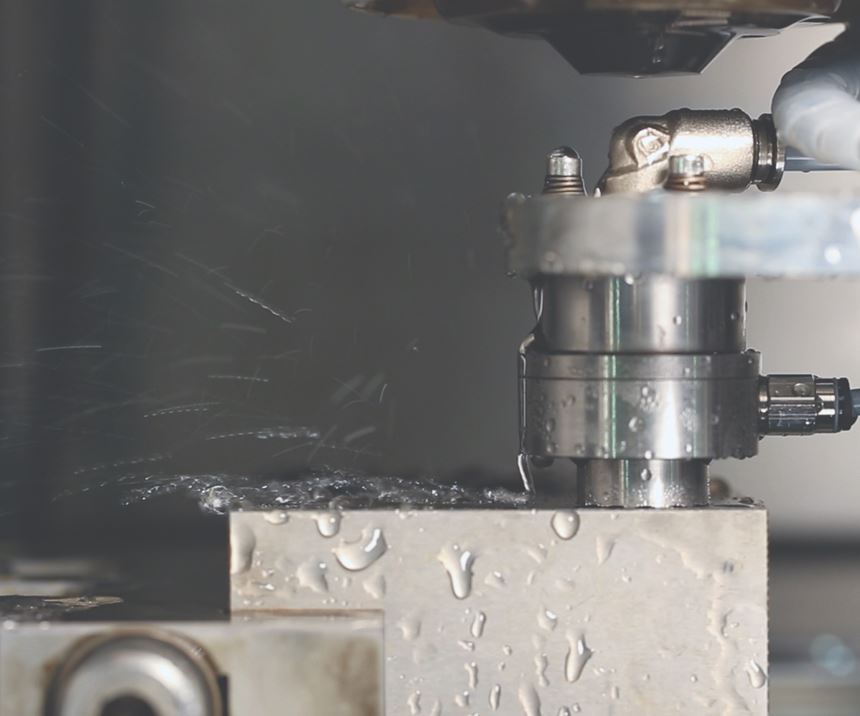
Small and Light Automated Slug Removal
However, shops that use a new automatic slug management system that incorporates Bernoulli's principle (the same property of fluid dynamics that allows planes to fly) can reduce all this manual labor. The system helps to ensure that shops can run their EDMs in a true unmanned, lights out operation, shorten cycle times and complete both roughing and finishing with zero operator intervention. Also, it is especially well-suited for small-cavity EDM operations and die-stamping applications.
The automated process begins with a complete roughing pass, leaving no welds or tabs behind. Instead, the machine's design enables the lower head to catch the slug before it falls into the tank. A device retrofitted to the upper head then lowers and blows high-pressure air over the slug, which creates suction that pulls the slug from the part. The machine's upper head then moves along the U and V axes to deposit the slug in a receptacle before returning to perform further operations on the part.
While automatic slug management is a somewhat slower process than its manual counterpart, the fact remains that it requires no human intervention. Manufacturers can load raw material into the machine in the evening and take fully finished parts out in the morning. Shops can run continuous machining operations and reduce total processing times by an average of 20%.
Because it uses suction, the system does require enough surface away from wire EDM start holes that can impede its operation. Naturally, slug weight and size are also limiting factors (10 by 10 mm and larger, and less than 0.6 pounds). In those situations, shops can remove small slugs with a pocketing strategy that uses the EDM wire like a milling cutter to machine off the slug.
Automatic slug management and automatic slug welding solve these slug removal problems and fully automate many EDM processes.
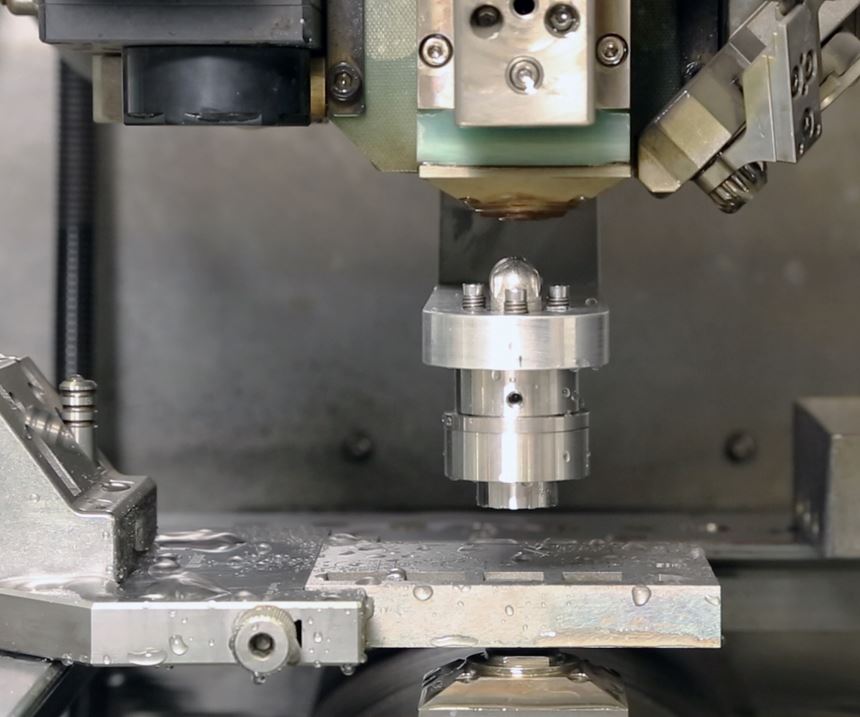
Large and Heavy Automated Slug Welding
However, applications involving heavy (0.6 pounds) slugs and large cavities will continue to use automatic slug welding. During normal operation, brass EDM wire slowly melts away and leaves behind minuscule amounts of brass buildup, but excess energy, slow wire movement or insufficient coolant can significantly increase that buildup. This buildup, in turn, reattaches the slug to the workpiece with brass.
Despite dramatically shortening cycle times, automatic slug welding does fall short of true uninterrupted automation because the process still requires an operator to remove the slug manually. The operator must knock the slug out using a brass hammer and manually remove the slug from the cavity to continue finishing the cavity.
However, a slug welding method in a system that uses clever G-code commands to precisely manipulate the brass accumulation prevents top-to-bottom welds and generates 0.100-inch-thick welds at the top of the part that joins only the surface of the workpiece and slug. The result is a slug that operators can easily knock out of the workpiece with a brass hammer, leaving behind brass that won't interfere with a skinning pass or other finishing operation.
Automatic slug welding does eliminate the time needed to cut slug tabs and shortens the processing time to about two minutes. However, if the wire breaks mid-cut, a machine without the ability to rethread inside the gap will have to restart the entire program from the beginning due to new welds in the way. Thin sheets of material or small slugs are other challenges that require careful selection of weld points.
Automatic slug welding surpasses previous slug management systems such as pin-based and ejection-based systems. The pin of the pin-based system inserts itself through the wire start hole and expands outward to grip the slug and pull it through the gap following the cutting program. Unfortunately, given the size of the device, it was often unable to fit through most narrow wire start holes and could only securely grip relatively light slugs, preventing use on large or heavy slugs.
The ejection-based system ejected the slug into the machine's tank. It retains tabs in the form of tiny triangular connections that hold a slug until a piston knocks it through the cavity and into a waiting receptacle. This allowed for full automation in theory, but in practice, operators had to fine-tune the device so the slug would fall cleanly through the cavity rather than jam the machine.
Automatic slug management and automatic slug welding solve these slug removal problems and fully automate many EDM processes. Despite the focus on the cutting area, machine tool manufacturers know that the next step in automation involves consumable usage. For example, automatic threading and rethreading are possible with current technology, but the future will deliver machines that can automatically alert operators when a machine has an insufficient wire supply on its spool to complete a part. This alert will help avoid production interruptions and ensure truly unmanned automated EDM part processing.
Source: https://www.moldmakingtechnology.com/blog/post/shorten-cycle-times-with-automatic-slug-removal
|
August 26th, 2019 at 2:11 pm
Guy J. Ofek has spent over 16 years helping companies find the best manufacturing solutions throughout Asia. Nearly 11 years of those were in 3D Printing for Stratasys and other vendors. This has made him a seasoned veteran in the field. Guy now works for GF Machining Solutions, a leading provider of machine tools, solutions, and services that is bringing automation and integrated manufacturing to 3D Printing. We're all becoming aware that the current area of expansion in 3D printing is on the concrete floors of manufacturing facilities worldwide. Companies are taking the lab boxes that were made to discover new materials and print prototypes and try to turn them into production devices. Whereas in the marketing copy and press releases everyone is a professional and focused on manufacturing, very few companies are actually manufacturing using 3D Printing. Those who do, quickly find out that they need to integrate this foreign process into tried and true systems, facilities and processes. This is difficult and leads to tough projects worldwide that need new thinking, new processes, and new machinery.
GF Machining Solutions is a firm that has squarely put itself in between that problem and possible solutions for clients. It's a bold and smart play for a 1,066 million Swiss franc revenue firm with close to 4,000 employees. GF Machining Solutions offers an extensive portfolio, ranging from Electrical Discharge Machining (EDM) solutions, Milling machines and Spindles to 3D Laser texturing machines, Additive Manufacturing and machines for Laser micromachining targeted at the aerospace, automotive and medical segments, among others. All of these areas have seen strong impacts from 3D printing. A few years ago, GF Machining Solutions, on the one hand, has found itself under possible disruption by 3D printing, while on the other has found its machining solutions being used extensively by the 3D printing industry. Wire-cutting EDM (WEDM, Wire EDM) is almost a necessary step for many metal 3D printed parts. The firm has since taken its many complementary skillsets and has begun offering integrated solutions for the 3D printing industry. With partnerships, devices and solutions, GF Machining Solutions seems to be one of only very few large industrial machine tool companies taking 3D printing seriously at the moment, so we thought it very prudent to find out what the firm is up to.

What is GF Machining Solutions?
GF Machining Solutions is the world's leading provider of machine tools, diverse technical solutions and services to manufacturers of precision molds and tooling and of tight-tolerance, precision-machined components. The key segments we serve include the aerospace, automotive, medical, energy, information and communications technology (ICT) and electronics industries. Our extensive portfolio ranges from Electrical Discharge Machining (EDM) solutions, three- and five-axis Milling machines and Spindles, 3D Laser texturing machines, Additive Manufacturing and machines for Laser micromachining to solutions for Tooling, Automation, Software and Digitalization – all backed by unrivaled Customer Services and support. Based in Switzerland, GF Machining Solutions belong to Georg Fischer AG (FI/N: SIX Swiss Ex) and is present in over 50 countries with its own sales companies. In addition, we operate production facilities and research and development centers in Switzerland, the USA, Sweden, and China.
For a century and a half, GF Machining Solutions has been an innovator and a source of strength to customers. Our history of technology leadership includes expansion into technologies that have spurred our customers' growth, and – with an eye to the future – we continue to innovate in order to advance the success of our customers in particular and the machine tool industry as a whole.
In Milling, EDM, Laser texturing and Automation technologies across a variety of segments from automotive, aerospace and aeronautics to Medtech, electronic components, and ICT, GF Machining Solutions' customers worldwide depend on our application know-how and process expertise. Our customers range from small and medium-sized toolmakers to global corporations.
Why did you get involved with Additive Manufacturing?
GF Machining Solutions believe that Additive Manufacturing will play an important role in the future of manufacturing. Given our specific expertise in traditional subtractive manufacturing and Automation, we feel the latter can help bridge the gap between prototyping and manufacturing, especially since metal Additive Manufacturing today―and going into the future―will be all about hybrid manufacturing.
Hybrid production environments will include an additive technology, but also the relevant downstream processes such as Milling, EDM, wire-cutting EDM, Laser texturing solutions and so on, that are required to finish the part, and all these technologies need to be integrated and work in tandem to form the `factory of the future`.
Do you see it working closely with other machining operations?
Yes by all means, in particular when it comes to metal additive, as users must always separate the metal-made part from the metal build plate. This is an operation normally done by band saws or wire-cutting EDM machines, so as part of the GF Machining Solutions mission “To integrate and optimize metal additive workflow“, we will introduce a wire-cutting EDM machine dedicated to metal additive at the coming EMO show this September. It will allow manufacturers to separate parts from the build plate in a horizontal manner. This new AgieCharmillesWEDM product will use GF Machining Solutions' fast-wire technology and is ready for integration with any other technologies, using its built-in System 3R clamping solution.
In addition, more often than not, the surface quality of parts out of any metal printer out there is insufficient to meet the Ra requirement of tool makers, aero-engine OEMs and many others, who use metal additive to produce final parts, hence the need for Milling technology and or EDM machines to better the surface up to the mark.
How does your extensive experience in machining help you?
It is no secret that the additive industry has been “living on an island”, so to speak, for most of its over 30 years of existence, having serviced mainly applications around product development―in other words, prototypes aimed for fit, form and functional testing. I say “living on an island”, because the additive industry―in the past eight to ten years―has been pushing towards the adoption of the technologies in manufacturing and production environments, which are “the mainland” or the 12 trillion “Holy Grail” if you like, and in this environment, the rules of the game are somewhat different. For instance, in the world of product development, one must employ absolute flexibility allowing to design and test as many variations as possible of that one specific product in order to establish which one actually works best.
Production environments, on the other hand, have almost the opposite mindset in the sense they allow zero flexibility and mandate tight tolerances. Their goal is always the same, to create as many versions as possible of that one specific product, all while assuring all products are identical and of the highest possible quality.
On top of that, elements such as productivity, robustness, cost efficiency, redundancy, Mean Time Between Visits (MTBV), response time and many more, all are very important when we talk about production, yet have far less importance, if any, in the world of product development.
Considering GF Machining Solutions' leadership in high-speed Milling with its Mikron Mill machines and in EDM with its AgieCharmillesmachines, we feel we have the capacity to better understand the unique needs and challenges of users out there battling the quest of adopting Additive Manufacturing in production environment.
You've partnered with EOS and 3D Systems?
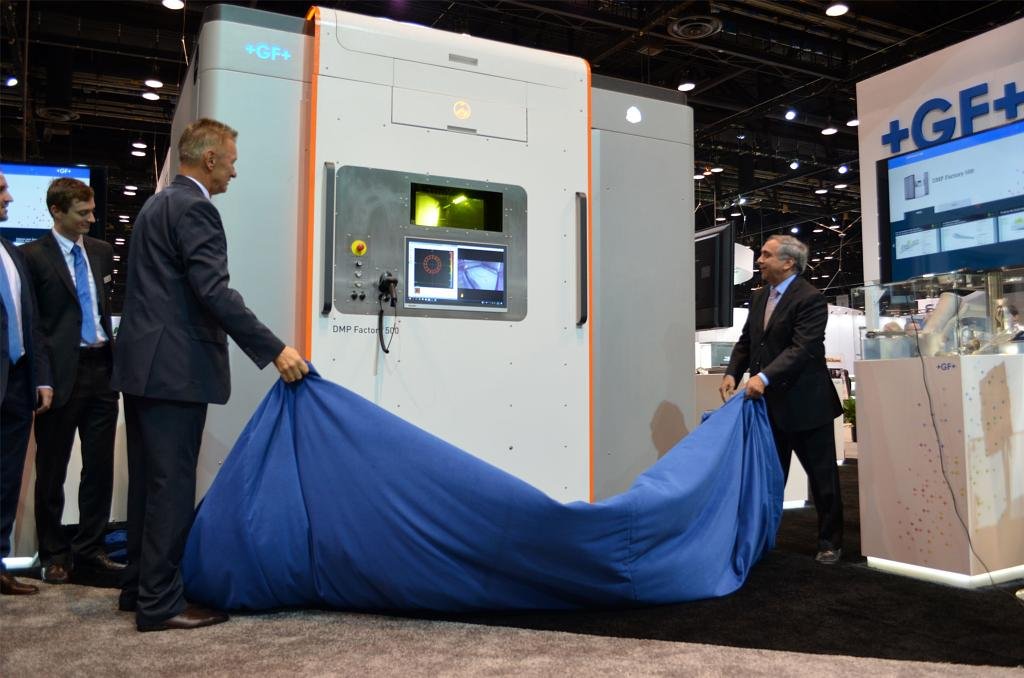
Indeed, in the past, we collaborated with EOS in order to promote a specific metal-printing machine (AM 290 Tooling) to the mold and die segment given our strong affinity to the segment. Later in 2018, we announced a strategic cooperation with 3D Systems for jointly developed and integrated manufacturing solutions based on 3D printing. The first product of this cooperation – the DMP Factory 500 metal Additive Manufacturing solution – was launched in September 2018 during IMTS in the US. Now, 11 months after we inked this partnership, we are very happy with the developments made thus far and feel there is much we can do to bring our shared vision of integrated and optimized metal additive workflow to our customers looking to integrate metal additive into their production environments.
You are developing “integrated manufacturing solutions” with 3D Systems, what does that mean?
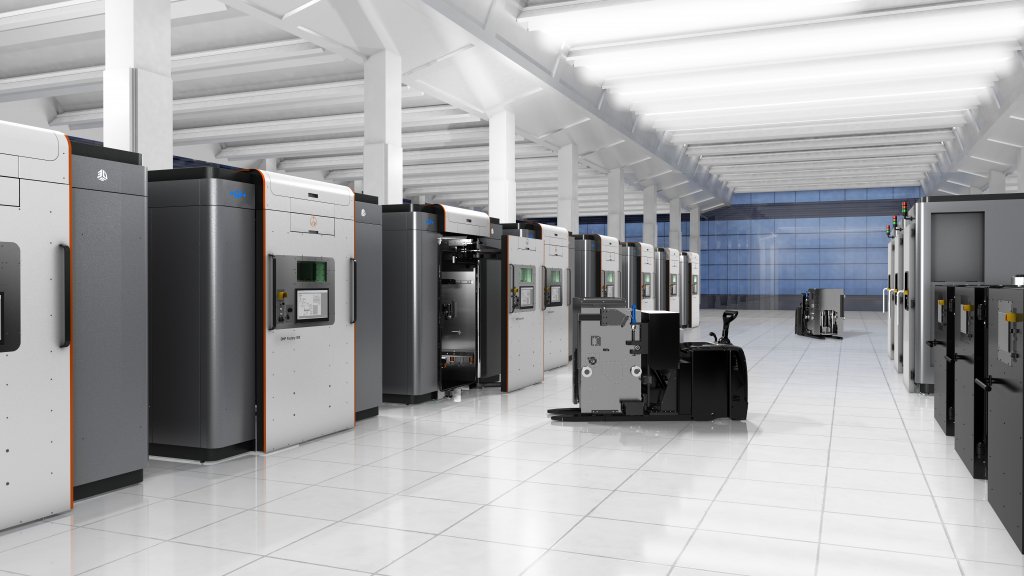
As GF is a full partner in the design, development and production of some of the co-branded 3D metal printers, the goal of both companies is to jointly develop solutions able to close the gap between the current stand-alone metal AM machines, and the “factory of the future”, where all elements of Industry 4.0 are fully integrated. In other words, in order to be able to realize our shared vision, which have driven the additive industry for years now, and see end-to-end additive solutions actually being integrated into the shop floor, we believe it's vital to make adjustments to the existing hardware and software environments to enable a seamless and efficient workflow.
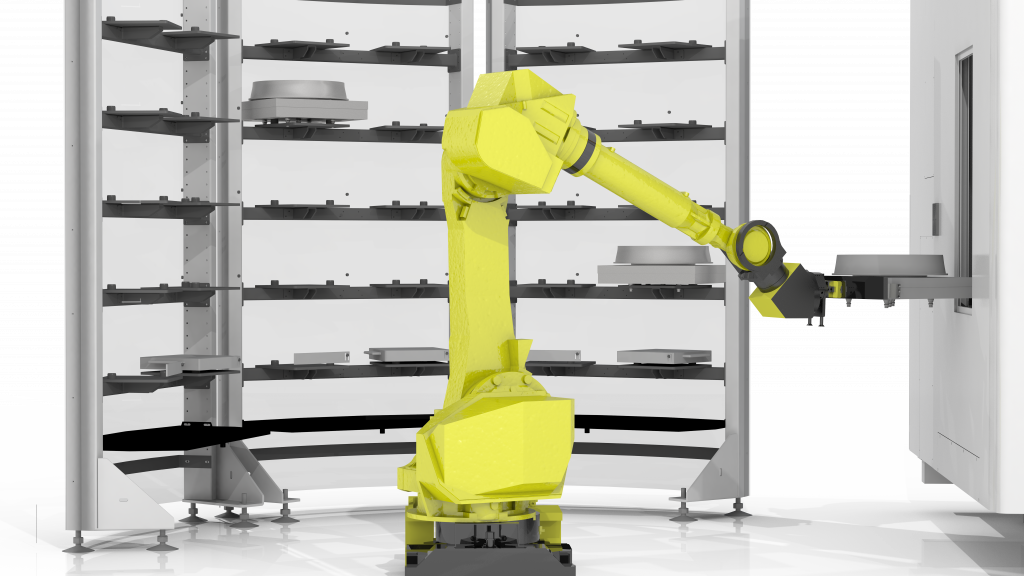
For example, at present Additive Manufacturing machines, as well as the much-required post processing―whichever it may be―are very labor intensive, as the entire process is manual. Even if additive manufacturing is not meant for mass production, all agree that automation, of some sort, must be introduced in order to improve the workflow, increase operators' safety and create a cost-efficient process all together. For these purposes, we took the first step by integrating a System 3R Delphin chuck into the DMP Factory 500, thereby allowing the operator to seamlessly move the build plate (which sits on-top of the chuck) from the metal additive machine onto a wire-cutting EDM or Milling machine for further processing. This saves time in clamping and making dedicated tooling after the part has been separated from the build plate.
Is 3D printing a threat to casting, or will it augment traditional casting operations?
Historically, there were only two traditional ways to turn a raw material into a shape that was as close as possible to the desired product: Forging or Casting, and each had its own pros and cons. With Additive Manufacturing, we now have a third method, which opens new possibilities and as such, is very exciting. Additive, however, has its own limitations, and it is because of that it is perhaps very complementary to Casting.
The Sales Manager of GF Additive SA (AMotion Center) in Switzerland, Mr. Marco Salvisberg, recently noted that on the one hand, 3D printing certainly poses a threat to some investment casting applications, as parts that used to be produced by investment casting are already being 3D-printed today, and one can only expect the scale to grow in the future. This depends on the segment, but with regard to aviation and IGT (Industrial Gas Turbine) business, 10-40% of today's portfolio of casted parts will be printed in the AMotion Center in the long term.
On the other hand, as Marco added, 3D printing is a great opportunity for the foundries. Wax, ceramic cores and polystyrene printing can drastically reduce development times and tooling costs. In addition, 3D metal printing is a good way for foundries to expand their production portfolio. Printing itself is only a small portion of a long production process, which includes finishing, surface treatment, heat treatment, none-destructive testing etc., the components of which many foundries already have.
Is more automation needed in 3D Printing, and if so, where?
Automation is of course required in 3D printing, much like in any other process or technology, in order to foster productivity and improve workflow efficiency. Automation comes in two basic forms, internal and external, and we foresee that additive, in time, will adopt both. A simple example of internal automation is an Automatic Tool Changer (ATC) in a CNC machine, while an example for external automation could be an integration of a robotic arm―stationary or on a slide base―into a production cell, turning it into a Flexible Manufacturing System (FMS).
The integration of a chuck system into an additive machine, as previously suggested, is the first step when it comes to industrialization of the AM process, in particular for metal additive. It requires the separation of the printed metal part from the metal build plate, as well as several post processes and treatments, which are all aimed at turning a part on a plate into a finished product.
How do you wish to partner with customers in 3D Printing?
Ideally, we see ourselves collaborating with companies and organizations having existing metal additive experience, as those very often understand far better not only the benefits the technology has to offer, but also the challenges and complexities involved in moving from prototyping and R&D to the production floor.
For such users, we believe we bring the most value considering the robustness of our co-branded metal additive solutions – such as the DMP Factory 350 – in addition to the built-in automation it incorporates, which is translated directly to maximum powder utilization and providing a safer environment for the operator.
At the end of the day, the additive process in itself is merely 30% of the entire production workflow, so special attention should be paid to additional downstream processes.
What can you offer them?
As a group, drawing from the combined knowledge and experience in precision engineering and industrial automation, as well as the accumulated expertise in the provision of various casting solutions (iron sandcasting, aluminum and magnesium pressure die casting, precision casting) and additive technologies, we have the unique ability to offer clients far more than just a metal 3D printer.
GF Machining Solutions sees itself as a provider of end-to-end value, ranging from consulting, part design, powders and parameters optimization, rapid prototyping using LPBF, EBM and DMD technologies and part certification (NADCAP) all the way to bridge and serial production of AM parts including processes for surface treatment, machining and coating and supply chain management.
Do you wish to sell machines, solutions, parts?
As our name suggests, GF Machining Solutions is all about solutions rather than selling individual machines or technologies. What sets us apart is our unique ability to offer a wide range of technological solutions on top of our metal additive machines, in conjunction with the ability to integrate such solutions using our System 3R automation product line to create a workflow-optimized metal additive production environment.
For clients looking for part production, application development and such other services, we normally suggest they work with our AMotion Center, which is geared toward consultancy and many other services. Those range from application, powder and parameter development all the way through design for AM, prototyping, bridge and serial production using multiple additive technologies (DMLS, EBM, DED), and above it all, they are NADCAP certified for aerospace and aeronautic companies.
Can you build me a 3D printing factory?
I am confident our decades-long experience and leadership in precision engineering and industrial automation can and will play a part when it comes to offering our clients integrative approach to metal additive. Producing metal additive parts require professionalism and expertise, and considering the fact many additional technologies are required in order to see a finished part, GF I believe is an ideal partner for anyone making his first steps into this fascinating technology and in particular for advanced users looking to move into series production. Such step requires finding ways to lower cost per part, enablement of operation and productivity excellence and reduction of total cost of ownership and I fundamentally believe the metal AM production units we produce, are designed to deliver not only very high quality parts, but also to do so over lengthy periods allowing maximum uptime leading to lower cost per part and a solid return on investment.
What is the AM market like in Asia?
Asia is a mixed bag as you may know, and as such, one can see all the shades of the rainbow when moving from north to south or east to west. When it comes to metal additive, we see a nice and steady adoption in China and Japan, where users in segments such as aerospace, energy, medical and tooling are using metal additive more and more in an effort to create lighter parts, better functional designs and speed up their lead times. Other than that, we also see interesting opportunities in Korea, Taiwan, Singapore and India, with innovative users looking to either adopt metal additive, or even step up and move into production-related applications, after their R&D departments have been exploring the technology and created viable applications for the past years.
What advice do you have for companies who wish to manufacture with 3D Printing?
Additive is all about customization, different ways to design products and making products in a completely different way compared to what we've grown accustomed to, which leads me to believe there is no “one size fits all”. Having said that, what I see separating the winners from the rest of the pack is an innovative spirit, a “can do” attitude, coupled with a drive to learn and develop, and yes, also to fail.
Additive is an industry where everyone is learning and exploring, and in such an environment there are no “Plug-and-Play” solutions. Hence, in order to manufacture with 3D printing, one must first make sure one is in the game, and one willing to fail and unlearn – not only because failure to do so could be detrimental to the viability of the business in the long run, but mainly because the rewards one stands to reap as a result of incorporating additive into the process chain may very well be significant.
Source:
https://3dprint.com/252165/interview-with-guy-ofek-of-georg-fischer-on-integrating-metal-additive-in-manufacturing/
|
August 16th, 2019 at 3:54 pm
During the 1980's, the medical profession embraced titanium as the material of choice for implants that would be attached to bone.
Numerous studies presented titanium's osseointegration* characteristics and further research highlighted the positive impact of textured, functional surfaces on osseointegration.
Compared to smooth “as-machined” surfaces, it was posited that texturing not only improves bone integration and thus implant stability; it also allows for the growth of supportive tissue and may even provide antibacterial advantages.
Today, the gold standard for titanium implants features such textured surface on all areas where integration with bone needs to take place. These functional textured surfaces are found on diverse devices such as bone plates, hip joints, and cervical and dental implants.
Additional research has been conducted in recent years into examining the relationship between the roughness of a surface and both osseointegration and vascularization rates. Determining the optimum values for surface roughness for a given set of conditions is expected to remain an area of focus for several years to come.
Although in the past, roughness was mostly described by the two dimensional Ra Value (a measure of the variation in height), 3D measurements including the arithmetical mean height of the surface (Sa), texture aspect ratio (STr), interfacial area ratio (Sdr), core void volume (Vvc) and valley void volume (Vvv) are all now commonly used to describe a desired end result
Production challenges
Textured surfaces traditionally have been achieved through the use of grit blasting (also known as sandblasting) alone or in combination with chemical etching. Grit blasting in combination with acid etching is perhaps the most widely used approach adopted today.
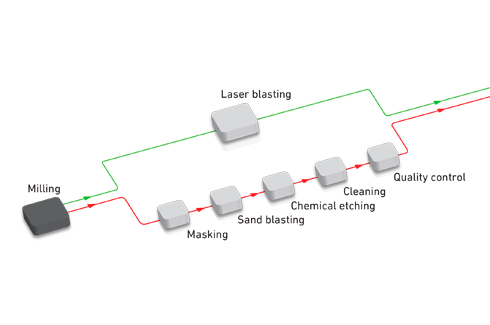
The etching process involves using a strong acid - often hydrochloric, nitric, or sulphuric - to erode the surface area after blasting, resulting in microstructures from 1 to several microns in diameter. A neutralization phase, in which the acid is reduced by the addition of a base or multiple washing cycles using de-ionized water, completes the process. Etching is both time- and temperature-sensitive, and requires the appropriate (safe) infrastructure to handle both dangerous chemicals and waste by-products.
Blasting is a mechanical process by which a hard particulate (sand, salt or ceramic) is projected at high velocity against the surface to be treated. Particle size, velocity, and impact angle all influence the final surface roughness.
Both blasting and etching result in a random distribution of surface features. Chemical changes to the outer layer of titanium can also occur. The choice of blast material as well as process parameters (time, angle, size and blast velocity) need to be developed based on the desired end result. Most often, the blast material is a single-use consumable and must be disposed of after part processing.
Secondary processes introduce risk
Both blasting and chemical etching usually require manual intervention by operators in order to mask surfaces that are to remain untextured. Both also require the component to be cleaned after the texturing treatment. It is interesting to note that residue from blasting is difficult, if not impossible, to eliminate entirely.
Proper washing after blasting can be a multi-step process that adds time and requires specialized equipment such as tanks or ultrasonic wave technology.
An error in the washing (e.g., wrong or incorrectly dosed chemicals), or the handling process can affect product quality - leading to potential product failure and costly recalls.
Due to these issues, device manufacturers are looking for alternative ways to manufacture textured functional surfaces without secondary washing - and to gain design flexibility in terms of surface properties.
Laser texturing as a substitution to sandblasting
Laser texturing replaces a random process (e.g., blasting, etching) with a digital one.
Pulses of laser light, often delivered in a nitrogen or argon shield gas environment, are directed at the materials' surface. The laser heats and modifies the metal, creating local surface deformation. Pulse duration, measured in nano-, pico- or femtoseconds, is very short and the impact location and pattern are precisely controlled with an end result that:
· is repeatable (i.e. not dependent on operator judgement but programmed into the controller);
· is clean (i.e. no particulate is generated, and little or no chemical change occurs to the metal);
· does not use consumables such as blasting materials or acids, bases or washing systems;
· does not require secondary handling, part masking, or (in most cases) any secondary cleaning;
· does not require 100 percent final product inspection.
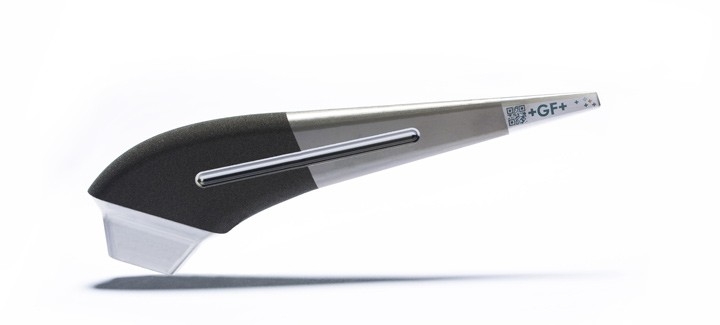
The use of laser texturing allows a surface to be structured/textured with a precise, repeatable pattern and enables both product designers and manufacturers to design in and meet more exacting specifications for roughness.
Multiple different textures can also be applied on the same device without any need for masking - and elements such as 2D bar codes or other unique device identification (UDI) features can be easily integrated.
Manufacturers concerned with counterfeiting can use proprietary textures or can add logos or hidden patterns confirming the device origin - detectable even after many years of use. Recent research has also indicated that precisely controlled, laser-generated nanostructures may yield functional surfaces with specific antibacterial properties.
The choice of laser texturing technology (pulse duration, power, texturing pattern) will be driven by the desired surface that the manufacturer wants to produce.
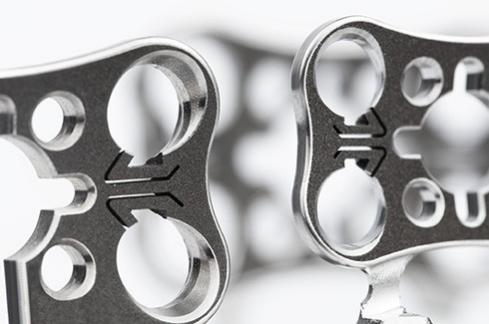
Lasers that operate with a nano-pulse duration will both ionize metal and locally heat the surface being treated, resulting in a surface with an increased Sdr, Vvc and Vvv as compared to femto-second lasers.
Femtosecond pulses are much shorter and essentially eliminate the heat-affected zone (HAZ), resulting in a surface with lower variation. Both technologies are useful and the choice of which to use depends on the desired end result of the surface in question.
Most textured surfaces are not flat, but have complex, curved geometries. A key criterion in the quality of a laser texturing solution is the ability of the system to correctly compensate for these curved surfaces. Most commercially available systems introduce errors when applying a texture to a curved geometry.
However, GF Machining Solutions' Laser texturing machine tools make use of advanced software to allow the texturing of even the most complex surfaces.
Conclusion
The use of texturing on functional surfaces in order to speed bone growth and provide other patient benefits is well documented.
Texturing can be achieved through various processes including blasting, chemical etching, and laser texturing. Blasting and etching, however, create a random surface and increase both cost and risk by requiring multiple part handling and cleaning operations, as well as use of consumables (e.g., blasting materials, acids) and infrastructure.
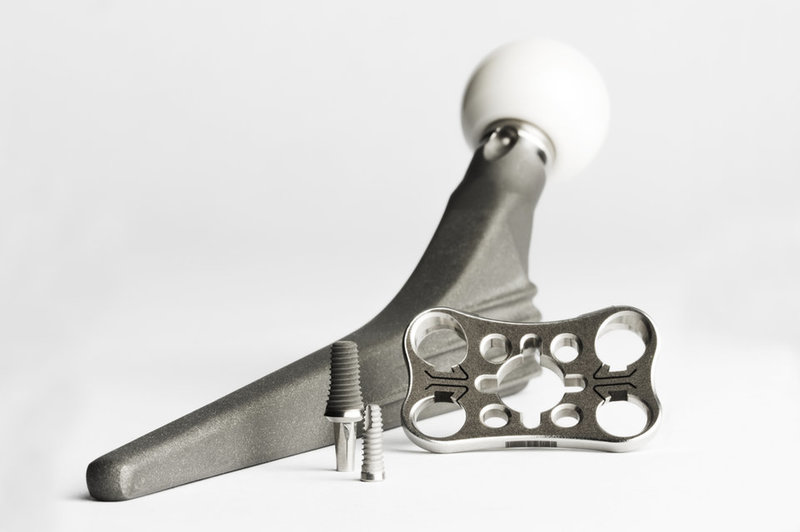
A functional surface that is produced using laser light and an appropriate shield gas under a digital process results in a repeatable, structured functional surface that is essentially identical for all parts being made.
In addition, laser texturing significantly reduces, or even eliminates the risk associated with masking non-textured surfaces and secondary cleaning. The ability of a laser texturing solution to correctly adapt textures to curved surfaces is also a specific strength and a clear differentiator.
Improved part quality, increased product differentiation, the ability to customize patterns (and more easily identify counterfeit products), a reduced risk of contamination, and reduced production costs and time - are all benefits that manufacturers can derive from laser texturing.
As the market leader in implant manufacturing technologies including Laser texturing solutions, GF Machining Solutions is uniquely positioned to support device designers and manufacturers as this technology becomes more widely adopted within the medical device industry.
Source: https://www.gfms.com/country_UK/en/about-gf-machining-solutions/press-room/press-releases/2019/textured-titanium-implant-production-laser-technology.html
|
July 15th, 2019 at 9:27 am
Advancements in the metalworking industry have led to new, innovative ways of increasing productivity. One of the most popular ways of doing so (creating many new buzzwords in the process) has been the discovery of new, high-productivity toolpaths. Terms like trochoidal milling, high speed machining, adaptive milling, feed milling, and High Efficiency Milling are a handful of the names given to these cutting-edge techniques.
With multiple techniques being described with somewhat similar terms, there is some confusion as to what each is referring to. High Efficiency Milling (HEM) and High Speed Machining (HSM) are two commonly used terms and techniques that can often be confused with one another. Both describe techniques that lead to increased material removal rates and boosted productivity. However, the similarities largely stop there.
High Speed Machining
High speed machining is often used as an umbrella term for all high productivity machining methods including HEM. However, HEM and HSM are unique, separate machining styles. HSM encompasses a technique that results in higher production rates while using a much different approach to depth of cut and speeds and feeds. While certain HEM parameters are constantly changing, HSM uses constant values for the key parameters. A very high spindle speed paired with much lighter axial depths of cut results in a much higher allowable feed rate. This is also often referred to as feed milling. Depths of cut involve a very low axial and high radial components. The method in general is often thought of as z-axis slice machining, where the tool will step down a fixed amount, machine all it can, then step down the next fixed amount and continue the cycle.
High speed machining techniques can also be applied to contoured surfaces using a ball profile or corner radius tool. In these situations, the tool is not used in one plane at a time, and will follow the 3 dimensional curved surfaces of a part. This is extremely effective for using one tool to bring a block of material down to a final (or close to final) shape using high resultant material removal rates paired with the ability to create virtually any shape.
High Efficiency Milling
HEM has evolved from a philosophy that takes advantage of the maximum amount of work that a tool can perform. Considerations for chip thinning and feed rate adjustment are used so that each cutting edge of a tool takes a consistent chip thickness with each rotation, even at varying radial depths of cut and while interpolating around curves. This allows machinists the opportunity to utilize a radial depth of cut that more effectively uses the full potential of a given tool. Utilizing the entire available length of cut allows tool wear to be spread over a greater area, prolonging tool life and lowering production costs. Effectively, HEM uses the depths associated with a traditional finishing operation but boosts speeds and feeds, resulting in much higher material removal rates (MRR). This technique is typically used for hogging out large volumes of material in roughing and pocketing applications.
In short, HEM is somewhat similar to an accelerated finishing operation in regards to depth of cut, while HSM is more of a high feed contouring operation. Both can achieve increased MRR and higher productivity when compared to traditional methods. While HSM can be seen as an umbrella term for all high efficiency paths, HEM has grown in popularity to a point where it can be classified on its own. Classifying each separately takes a bit of clarification, showing they each have power in certain situations.
Source: https://www.harveyperformance.com/in-the-loupe/high-efficiency-milling-vs-high-speed-machining/
|
July 15th, 2019 at 9:21 am
|
July 2nd, 2019 at 12:23 pm
|
The new AgieCharmilles CUT C 350 offers GF Machining Solutions' quality for the lowest operating costs. With a $99,000 starting price point, the machine is not only cost-effective, but also provides optimized cutting speed and reliable accuracy, while the equipped AC CUT HMI 2 system makes for easy programming through efficient EDM expert modules.
|
|
Created in collaboration with 3D Systems, the DMP Flex 350 builds upon the success of the DMP Factory 500, which GF Machining Solutions introduced to U.S. audiences at IMTS 2018. Featuring a 10.82" x 10.82" x 14.96" working area, as well as 3D Systems' powerful additive manufacturing (AM) software, 3DXpert, the DMP Flex 350 is made to handle R&D projects and high-volume production alike. GF Machining Solutions will also give a sneak peak of the upcoming AgieCharmilles CUT AM 500 machine for the removal of build plates for additive manufacturing.
|
|
Microlution's new ML-10 further improves upon the industry's leading laser micromachining platform, the exceptional ML-5. The perfect femtosecond solution for industries ranging from automotive to medical, the ML-10 extends GF Machining Solutions' range to ensure all manufacturers have the machines they need to succeed. For tube-cutting applications, the company will also be introducing its MLTC model, an ultrafast laser that provides medical-industry manufacturers with exceptionally precise holemaking in metal and polymer tubes.
|
Read More:
https://news.thomasnet.com/fullstory/gf-machining-solutions-presents-agiecharmilles-cut-c-350-microlution-ml-10-and-mltc-and-dmp-flex-350-at-2019-solutions-days-40024931
|
July 1st, 2019 at 1:51 pm
GF Machining Solutions has expanded its Service and Customer Services departments with additional personnel.

Raymond Barringer, Field Service Engineer, worked as a field service technician with Auma Actuators for 15 years. A U.S. Navy veteran, he served as a nuclear mechanic and earned a Naval Nuclear Power Training Certificate. He also holds a PLC Programming Certificate from the Community College of Allegheny County.
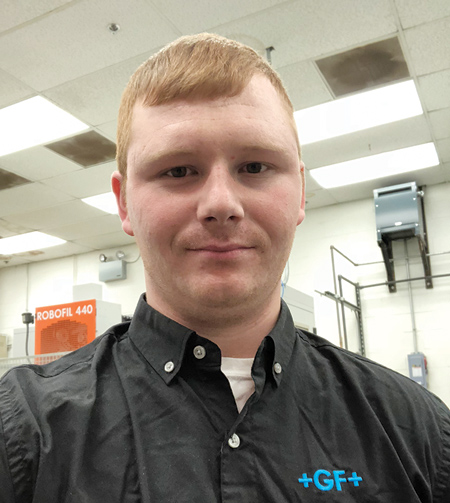
Kody Hawk, Field Service Engineer, brings a diverse background in automotive technology and in the public sector to his work for the Central Region of GF Machining Solutions. He holds a diploma in automotive maintenance and repair from the South-Western Career Academy. He will work remotely in the Central Region.
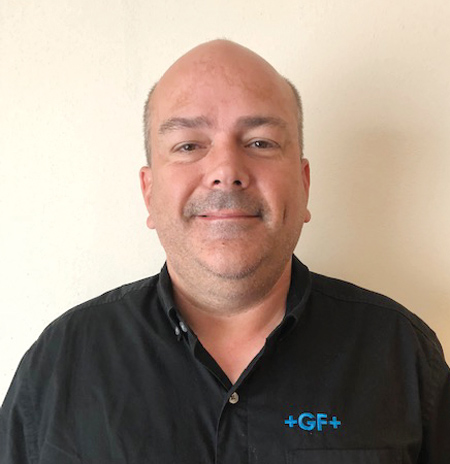
Gregory Hoskin, Field Service Engineer, formerly installed and maintained production machines as a millwright at Kennametal Stellite and has amassed 18 years of experience in the industry. Hoskin is a graduate of the Millwright Apprenticeship Program at Durham College.
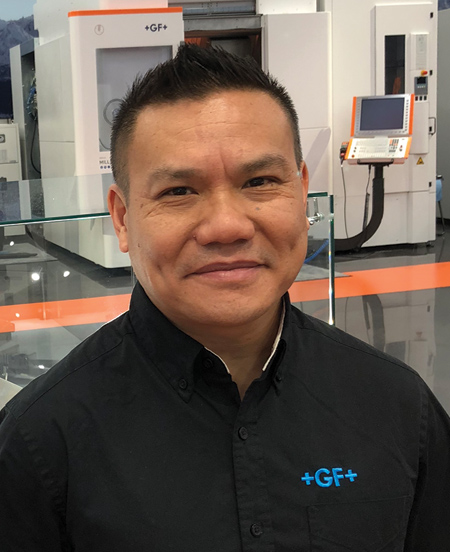
Kevin Kieu, Field Service Engineer, applies 20 years of experience in the automobile industry as a certified technician, parts professional, mechanic and fabricator. For the Richard Petty Driving Experience, he worked on chassis for 600-HP NASCAR race cars and rebuilt a Richmont T-10 transmission. Kieu also served as chief mechanic and fabricator for the SP Engineering Supra-7, a 2JZ-GTE motor installed in an FD Mazda RX-7. He studied mechanical engineering at California State Polytechnic University. Kieu will work remotely in the Western Region.
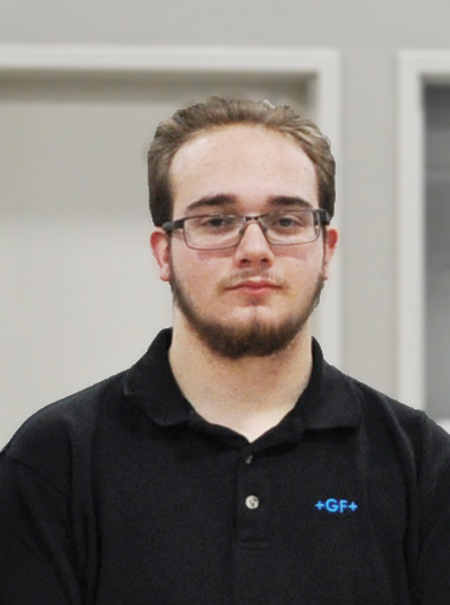
Tyler Ryan has entered the GF Machining Solutions CNC Apprenticeship Program at Harper College. His on-the-job training at GF Machining Solutions will complement his classwork, providing him with the skills necessary for a successful career as an Application Engineer.

Joan Smith, Customer Support Administrator, has more than 15 years of experience in customer service and administrative roles, including training and demonstrations.
Steffen Penka, Field Service Engineer, most recently worked as a service coordinator with Mazak Corporation, managing and coordinating service engineers and providing phone-based technical support. In his native Germany, Penka completed a 3.5-year apprenticeship program in machine fitting. Penka will work remotely for GF Machining Solutions' Irvine, CA, office.
Source: http://www.mfgnewsweb.com/archives/1/54821/People-In-The-News-jul19/GF-Machining-Solutions-Adds-New-Service-Experts.aspx
|
July 1st, 2019 at 12:55 pm
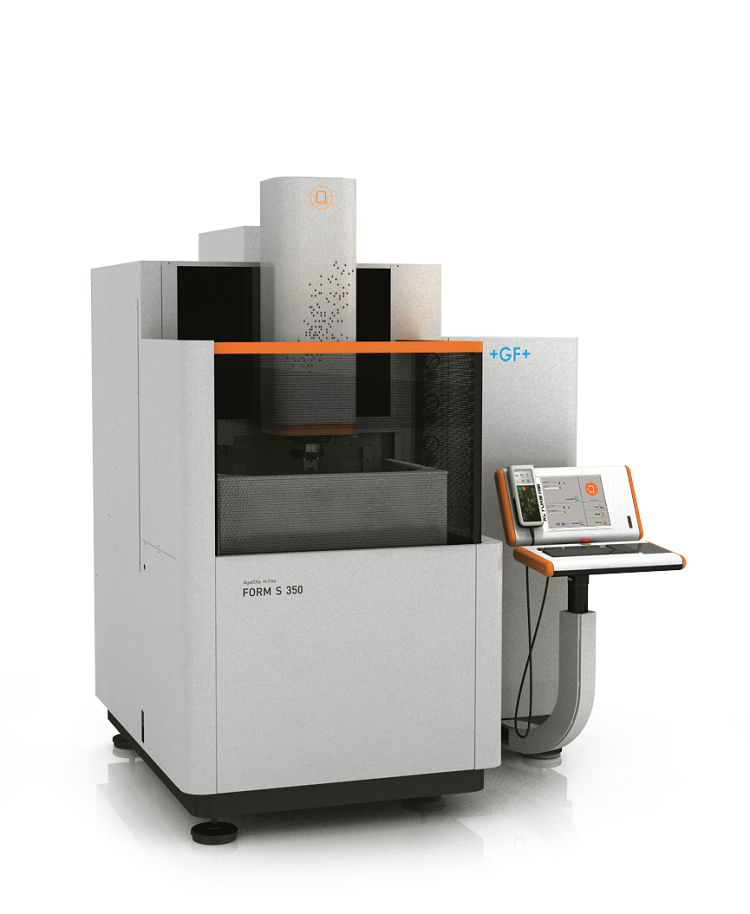
GF Machining Solutions offers the AgieCharmilles FORM S 350 die-sinking electrical discharge machining (EDM) solution. The machine features breakthrough generator technology and accuracy-enhancing thermostabilization that allow electronic component manufacturers to keep pace with increased consumer demand.
A sturdy C-axis construction and cast-iron frame provide high stability and force reduction, which helps maintain a precise spark gap between the part and the electrode. Regardless of part weight or dielectric volume, the machine is designed to deliver consistent accuracy. Integrated linear glass scales preserve long-term repeatability and eliminate the need for recalibration as well as any errors found in traditional screw systems due to backlash and wear.
"The AgieCharmilles FORM S 350's latest-generation Intelligent Power Generator (IPG) excels in superfinishing and precision applications," said a company spokesperson. The IPG overcomes common challenges when using copper electrodes, including wear induced by electrical discharge multiple reopening. "As a result, GF Machining Solutions' EDM can machine up to 40% faster and reduce corner wear by 50% over standard EDMs," added the spokesperson.
The machine's discharge circuit for spark erosion power modulation and the flexibility to maximize material removal offers enhanced levels of quality and efficiency; for the finest details, the spark gap can be reduced to just a few microns. Embedded technologies optimize electrode usage and positively impact profitability through extended electrode life, shorter machining times and reduced downtime.
A dual thermostabilization system cools and circulates pulsating air through the machine's cabin to maintain a stable temperature and ensure extreme precision.
With an X/Y/Z travel of 31.1" x 20.9" x 11.8" (790 mm x 530 mm x 300 mm), the FORM S 350 handles workpieces up to 31.1" x 20.9" x 13.8" (790 mm x 530 mm x 350 mm).
Source: http://www.mfgnewsweb.com/archives/4/54809/Micro-Mfg-jul19/Die-Sinker-for-Micromachining-Electronic-Components.aspx
Click Hear To Learn More!
|